Hexagon Cycle Infographic: A Designer's Real-World Review
When I first opened the Hexagon Cycle Infographic to test it for a client project, my initial reaction wasn't about the file format or stitch count. It was about the mood. There is something inherently structured yet modern about the hexagonal shape that immediately signals organization and forward momentum. As someone who spends hours staring at digitized files before they ever touch a hoop, I know that the difference between a design that looks good on a screen and one that survives the needle lies in its structural integrity.
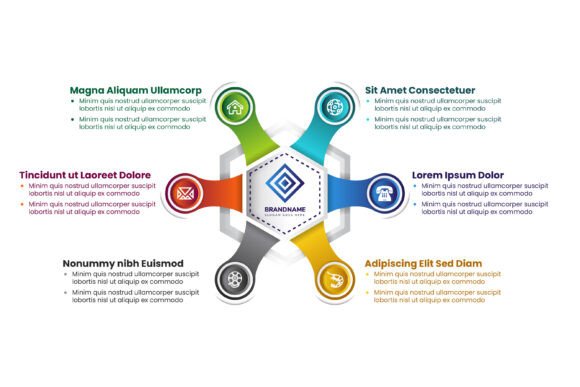
This particular Graphics asset features six distinct data points arranged in a cycle, which creates a natural flow that guides the eye around the perimeter. For an embroidery designer, this geometry is both a blessing and a challenge. The straight lines of the hexagon offer clean edges for satin stitch, but the sharp corners can sometimes trap thread if the density isn't managed perfectly. In my experience, designs like Hexagon Cycle Infographic work best when the goal is to convey a process, a timeline, or a set of interconnected values without overwhelming the viewer with text.
From Screen to Stitch: A Real Project Scenario
Last month, a boutique owner approached me with a request for a custom line of aprons for her new kitchenware shop. She wanted something that represented her "farm-to-table" philosophy without being too literal. She showed me a digital mockup of a hexagonal cycle with icons for planting, growing, harvesting, cooking, serving, and enjoying. That is exactly the kind of visual language found in Hexagon Cycle Infographic.
I decided to run a test on a heavy-duty cotton canvas, the same material used for her final product. Placing the design on the chest area of the apron required careful consideration of the hoop size. The hexagonal shape is wide, so I had to ensure the stabilizer was anchored enough to prevent puckering during the fill stitches. When the machine started stitching, the contrast between the geometric lines and the organic nature of the fabric created a sophisticated look that felt right at home in a high-end kitchen.
The finished product didn't just look like a logo; it looked like a story. Customers browsing the shop immediately understood the brand's ethos because the design forced them to follow the cycle. This is where Hexagon Cycle Infographic shines in real-life applications. It transforms a simple piece of clothing into a conversation starter. For an Etsy seller or a small shop product creator, this level of narrative detail adds significant perceived value to a handmade item.
Where Geometry Meets Fabric Texture
Not every fabric plays nice with intricate geometric patterns. While the Hexagon Cycle Infographic is robust, it demands respect from the material you choose. If you are planning to use this design on a tote bag design made of thin, loose-weave canvas, you might find that the stitch density causes the fabric to distort. The tightness of the fill stitches can pull the threads together, warping the hexagon into a slightly distorted shape.
Conversely, on a sturdy sweatshirt or a denim jacket, the design holds its form beautifully. The rigid structure of the hexagon complements the weight of the fabric. However, there are specific scenarios where caution is required. If you attempt to embroider this on a stretchy knit fabric without adequate stabilizer, the tension of the machine will cause the design to ripple. Similarly, on dark fabrics, the choice of thread colors becomes critical. Light-colored outlines against a black background require a high-quality underlay to prevent the base color from bleeding through the satin stitches.
I also tested this design on a curved surface, specifically a baseball cap. The hexagon is a flat shape, and trying to force it onto a curved brim often results in distortion at the top and bottom points. For embroidered patch projects or caps, I would recommend adjusting the digitization to account for the curve or choosing a flatter area of the garment, such as the front panel of a hat, rather than the side or back.
Visual Appeal and Customer Trust
In the world of commercial embroidery, the clarity of your design directly impacts customer trust. A blurry or misaligned logo suggests a lack of attention to detail. The Hexagon Cycle Infographic offers a clean, professional aesthetic that appeals to corporate clients and lifestyle brands alike. The six options provided in the template allow for flexibility, meaning you can swap out icons or text to match a specific brand identity while maintaining the core visual structure.
For digital product sellers creating printable mockups, this design is a goldmine. It renders well in digital previews, allowing buyers to visualize how the pattern will look on various products. Whether it is a baby embroidery project for a onesie or a holiday gift for a teacher, the hexagonal motif feels intentional and thoughtful. It elevates a simple personalized gift into a keepsake that feels professionally crafted.
However, the design is not a one-size-fits-all solution. It requires a certain level of sophistication in the presentation. On a kitchen towel or a pillow cover, the design works best when framed by negative space. Crowding the hexagon with other elements can dilute its impact. The strength of Hexagon Cycle Infographic lies in its simplicity and balance, making it ideal for branding materials where clarity is paramount.
Practical Notes for the Embroidery Designer
Before you commit to a large batch of production runs, there are several technical steps you must take. First and foremost, always test the design on scrap fabric first. You need to see how the satin stitch behaves on your specific material and whether the running stitch details hold up after washing. Check the thread color contrast carefully; sometimes a color that looks vibrant on a monitor appears dull once stitched.
Review the stitch density closely. If the design has areas where the fill stitches overlap too much, you risk breaking needles or creating hard spots on the fabric. Confirm the hoop size fits your intended product dimensions. If the design is too large for a small hoop, you may encounter registration issues where the two sides of the design do not align perfectly.
Inspect the small details, particularly the corners of the hexagons. These are common trouble spots where thread can bunch up. Test it in black and white mockups to ensure the contrast remains strong even if the colors shift slightly during production. Compare light and dark fabric backgrounds to determine if you need to add a border or a different underlay strategy.
Finally, use proper stabilizer for the job. For a design with this much structure, a cut-away stabilizer is often necessary to maintain the shape over time, especially for items that will be frequently washed, like custom apparel or aprons. Always check whether the design works for both personal and commercial projects and confirm licensing before selling finished items or digital products. The Hexagon Cycle Infographic is a versatile tool, but its success depends entirely on the care you take in its execution.
Ultimately, this design is more than just a collection of lines and shapes. It is a strategic asset for any craft business looking to elevate its visual identity. By understanding its strengths and limitations, you can create finished product lines that resonate with customers and stand the test of time.