Deepfake Icons Graphics for Handmade Creators
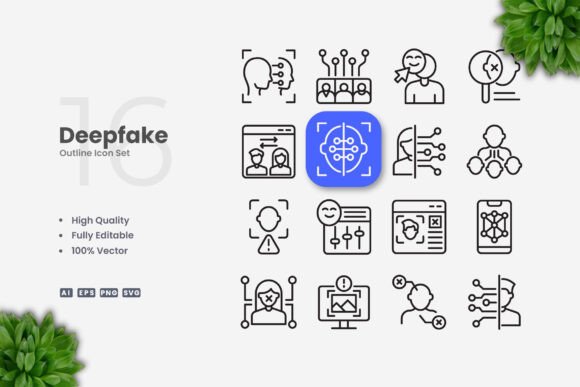
I recently came across a graphic design asset called Deepfake Icons while scouting for fresh visual elements for my upcoming seasonal collection. As someone who has spent years designing handmade products, managing an Etsy shop, and preparing orders for local craft fairs, I know that the difference between a good product and a great one often lies in the details. When you are looking at a new set of graphics, you aren't just buying pixels; you are buying the potential to create something your customers will love. My first impression of Deepfake Icons was immediate clarity. The simple and clean icon design suggests a modern, minimal aesthetic that fits perfectly with current trends in home decor and personal accessories.
The mood these icons create is professional yet approachable. They do not scream for attention but rather serve as elegant accents that elevate the overall design. For a handmade business owner, this is exactly what you want when creating branding materials or product mockups. Whether you are targeting a cozy, rustic audience or a sleek, contemporary market, these graphics offer a versatile foundation. They feel premium enough to be used on high-end packaging but simple enough to work well in playful sticker designs. This balance makes them ideal for small business branding where consistency is key.
From Digital File to Physical Product
In my workflow, the transition from a digital file to a tangible item is where the magic happens. I immediately started imagining how Deepfake Icons could translate into real-world projects. For instance, I am currently planning a batch of custom mugs and tumblers for the holiday season. These icons would look stunning as part of a sublimation design on dark-colored ceramic mugs. Because the design allows you to resize, change color, or edit stroke weight, I can easily adapt the same graphic to match different color palettes without losing quality.
For Cricut users and Silhouette users, the versatility here is a game-changer. I envision using these SVG files for vinyl cutting projects on tote bags and t-shirts. The clean lines mean less risk of weeding errors, which is crucial when you are working under tight deadlines for customer orders. If I were creating planner stickers, these icons would add a sophisticated touch to the layout, helping to organize notes or mark important dates. Similarly, for printable wall art or greeting cards, the resolution holds up well, ensuring that the final print looks crisp and professional.
The application extends beyond just single items. I see these graphics fitting seamlessly into a design bundle for a craft fair booth. Imagine using them as decorative accents on gift tags attached to handmade soaps or candles. The ability to edit the stroke weight means I can make the lines bolder for large cut files or thinner for intricate paper crafts. This flexibility ensures that the same asset can support a wide range of products, from large banners and posters down to tiny party favors.
Strategic Use in Your Shop
When integrating Deepfake Icons into your handmade business, it is essential to know where they shine and where caution is required. These assets work best in large cut files, clean printable layouts, and seasonal craft bundles. They are perfect for personalized items where you need clear, recognizable shapes that customers can appreciate. For example, using them in a product mockup for a new line of tote bags can instantly make the design look cohesive and intentional.
However, there are areas where you should use these graphics carefully. If you are planning very small cutting details, such as micro-stickers or intricate jewelry charms, the simplicity might sometimes lack the necessary complexity depending on the specific icon. Thin lines can sometimes get lost if the contrast is low or if the material being used is textured. In crowded compositions, like a busy scrapbooking page, ensure that the icons have enough breathing room so they do not get visually overwhelmed by other elements.
I also recommend testing these icons before selling finished products. While the description mentions they are perfect for infographics and flyers, the practical application for a handmade seller involves checking how they behave on different substrates. Do they look good on white vinyl? What about on dark tumbler wraps? Sometimes, a graphic that looks perfect on a screen can lose its impact when printed on fabric or paper. Placing the design on real mockups is a step I never skip. It helps me visualize the final product and catch any issues with alignment or scale before I commit to a production run.
Technical Considerations for Crafters
As an experienced crafter, I always advise checking the technical specifications of any design asset you purchase. For Deepfake Icons, verifying that the SVG lines are clean is the first priority. You want to ensure there are no stray points or overlapping paths that could cause your machine to cut incorrectly. Previewing the PNG transparency is equally important, especially if you plan to layer these graphics over colored backgrounds for sublimation design projects.
Confirming the resolution is vital for sublimation and printing. If you intend to sell these as digital products or printable designs, you must ensure the file scales up without pixelation. Testing colors before printing is another critical step. Colors on a monitor often differ from ink on paper or vinyl. By placing the design on actual mockups, you can confirm how the colors interact with the product surface. If the icons appear too faint on a dark background, you may need to adjust the color or add a backing layer.
Resizing is straightforward with this asset, but simplifying the layout might be necessary for certain applications. If you are pairing these icons with text, consider how they complement different font styles. A serif font might add a classic touch, while a sans serif font keeps it modern. A script font could introduce a personal, handwritten feel, making the design warmer for greeting cards. Conversely, a display font might be too heavy for a minimalist icon set. Finding the right typographic balance is part of the creative process.
Commercial Potential and Licensing
For those of us running a handmade business, understanding the commercial license is non-negotiable. Before using Deepfake Icons for customer orders or mass-produced items, you must confirm the terms of the commercial design agreement. Are you allowed to resell the finished physical products? Can you include these graphics in a digital download bundle? Clarifying these questions protects your small business from legal issues and ensures you can profit from your creativity.
Ultimately, this graphic design asset offers significant value for creative entrepreneurs. Whether you are a hobby maker looking to upgrade your craft fair offerings or an Etsy shop owner aiming to expand your product line, Deepfake Icons provide a solid starting point. They fit naturally into various workflows, from t-shirt design and mug design to sticker design and printable design. By taking the time to test, adjust, and integrate these graphics thoughtfully, you can create products that not only look beautiful but also resonate with your target audience.
In conclusion, my experience suggests that Deepfake Icons are a reliable addition to any designer's toolkit. They support the creation of everything from festive party decorations to professional thank-you cards. With their simple and clean icon design, they are perfect for websites, mobile apps, books, social media, infographics, flyer, print, banners, posters and many more. By treating them as flexible building blocks rather than static images, you unlock their full potential for your handmade business. Remember to check your licensing, test your materials, and trust your creative instincts when bringing these graphics to life.